







Search Results for: Hot Brew

Can You Make Cold Brew with Hot or Warm Water? Flavor Comparison Experiment of Quick-Extracted Cold Brew Coffee at Different Water Temperatures
Cold brew coffee usually requires 8 to 12 hours of low-temperature slow extraction, but what if you want to drink it the same day? Raising the water temperature can speed up extraction, but if you use hot water directly, it becomes hot brew, and the floral and fruity aromas and low bitterness unique to cold brew will also disappear. Front Street compared three methods through experiments: conventional 23°C cold water extraction for 10 hours, 40°C warm water extraction for 4 hours, and 92°C hot water blooming followed by room-temperature water extraction for 4 hours. The beans used were Colombia · Hanami, with full berry acidity, floral notes, and pink pepper flavors. The results showed that the 40°C warm water rapid cold brew was closest to the performance of conventional cold brew, with both a fermented feel and clearly presented flavors, making it suitable for friends who want to drink cold brew quickly. [more…]
Cold Brew Coffee | What are the differences between hot-brewed and cold-brewed coffee? Why does iced coffee taste better? Which coffee beans are suitable for cold brew?
For more specialty coffee knowledge, please follow our WeChat official account: FrontStreet Coffee. Tea is part of Chinese culture, while coffee has also gradually come into people's view and become one of the three major beverages, becoming an indispensable part of people's lives. As for the love of coffee [more…]
Why Is Cold Brew Iced Coffee Smoother? A Clear Explanation from Extraction Principles to Coffee Bean Selection
It's the same coffee grounds plus water, so why do hot brew and cold brew taste so different? Hot coffee is all about aroma and temperature, while cold coffee is a greater test of technique and quality. Starting from the definition, brewing methods, and chemical principles of cold brew coffee, this article compares the differences between hot and cold brewing in flavor, bitterness and acidity, and storage time, and explains why low-temperature slow extraction brings a softer mouthfeel. At the end, drawing on a range of single-origin beans and espresso blends from Front Street Coffee, it offers ideas on what coffee beans are suitable for cold brew, helping coffee lovers find their own cup of iced coffee in summer. [more…]
Can Cold Brew Coffee Be Made with Hot Water? A Detailed Guide to Water Temperature, Grind, and Timing in Cold Brew Making
Coffee extraction methods are not limited to hot water—cold water can accomplish the same process, and the cold brew coffee born from this presents a completely different flavor profile from hot-brewed coffee. Cold brew coffee is mainly divided into two forms: cold steep and ice drip, the former steeping coffee grounds in cold water, while the latter uses the drip filtration principle to extract drop by drop. Many friends ask: should cold steep coffee use hot water or cold water? The answer is actually very clear—coffee brewed with hot water can no longer be called cold steep coffee. Cold steep coffee can only be steeped in room-temperature or ice water, and the entire steeping process needs to be maintained in a low-temperature environment. This article, drawing on Front Street Coffee's hands-on experience, will provide a detailed breakdown of the key details for making a delicious cup of cold brew coffee, covering coffee bean selection, grind size, steeping time, and coffee-to-water ratio. [more…]
Is Cold Brew Coffee Higher in Caffeine? Which Is Healthier Compared to Hot Coffee?
Cold brew coffee has become increasingly popular among coffee enthusiasts in recent years, but how exactly does it differ from regular hot coffee in terms of caffeine content and health effects? From the perspective of Front Street Coffee, this article reviews the origins, extraction principles, and flavor characteristics of cold brew coffee, and explains practical parameters such as the water-to-coffee ratio and grind size in detail. We will also compare the caffeine levels of cold brew with hot coffees such as pour-over and Americano, analyze the pros and cons of cold brew, and answer common questions such as whether cold brew coffee turns sour, helping you make a choice that better suits your needs while enjoying a refreshing taste. [more…]
Cold Brew Coffee Water Temperature | Can Hot Water Be Used to Extract Coffee for Making Cold Brew? Which Types of Coffee Beans Are Suitable for Cold Brew Coffee?
Besides being extracted with hot water, coffee can also be made with cold water. Coffee made with cold water is called "cold brew coffee," and it has a distinct character compared to hot-brewed coffee. Cold brew coffee is divided into cold brew steeped coffee and ice drip coffee; cold brew steeped coffee is made by soaking coffee grounds in cold water, while ice drip coffee refers to the use of a drip filtration method. [more…]

Should Cold Brew Coffee Include a Bloom? Experimental Comparison and Principle Analysis of Cold Immersion vs. Hot Water Pre-infusion
Cold brew coffee has always been made by steeping at low temperatures throughout, but if you first bloom the coffee grounds with hot water before steeping, will the final product taste better? Front Street conducted a controlled experiment using Sidamo Huakui 8.0: aside from the water temperature treatment, the two pots of cold brew had completely identical parameters—one was mixed directly with room-temperature water and refrigerated, while the other was first bloomed with 92°C hot water for 30 seconds before room-temperature water was added. After 8 hours, filtering and tasting revealed that the two had similar flavor directions, but the bloomed version had a higher concentration. The article then explains that the real source of this difference is not the blooming action itself, but the hot water and parameter changes introduced to accomplish the blooming, and, combined with the principle of degassing during blooming in pour-over brewing, explains its applicability in the cold brew scenario. [more…]
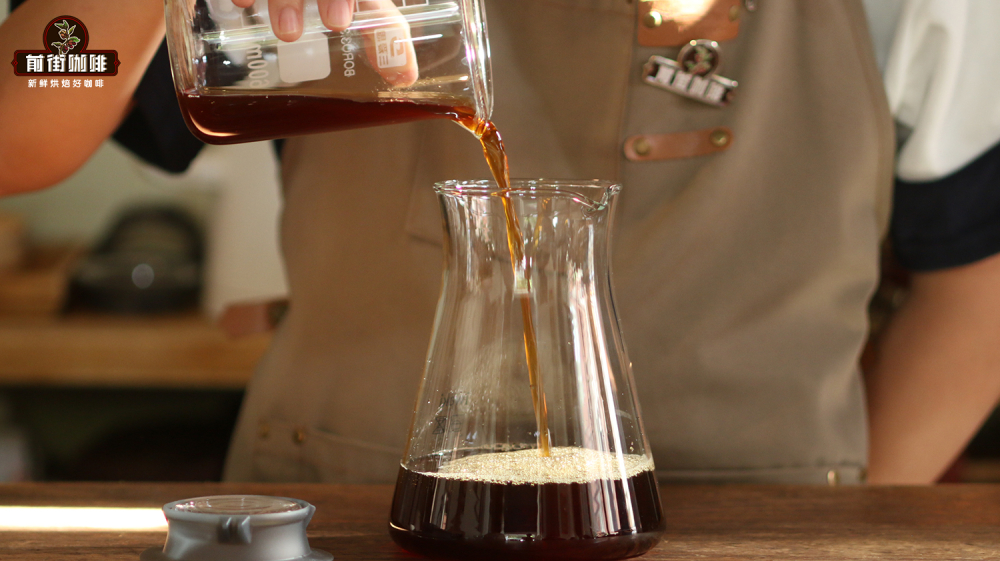
Cold Brew Coffee Beans Recommendation | Are Medium-Dark Roast Single-Origin Beans Suitable for Cold Brew? Can Cold Brew Coffee Be Made with Hot Water? Guide to Cold Brew Grind Size, Steeping Time, and Coffee-to-Water Ratio
Besides being extracted with hot water, coffee can also be made with cold water. Coffee made with cold water is called "cold brew coffee," and it has a distinct charm compared to hot-brewed coffee. Cold brew coffee is divided into cold water brew and ice drip coffee; cold water brew involves soaking coffee grounds in cold water, while ice drip coffee refers to the use of a drip filtration method. [more…]

Cold Brew vs. Hot Brew: Flavor Differences Explained: Low-Temperature Extraction Principles, Taste Characteristics, and Key Brewing Points
Iced coffee is favored by many consumers for its refreshing and palate-cleansing taste. Even in the cold winter months, some customers still visit Front Street to order these types of drinks. Hot brew and cold brew present different coffee flavors due to their different extraction temperatures. Cold brew coffee involves steeping coffee grounds in cold water at a low temperature for a long time to release aromatic compounds, and both ice drip and cold steep fall into this category. This article will explore cold brew's historical origins, its differences from pour-over hot brew, and brewing suggestions, helping coffee enthusiasts understand what makes cold brew unique. At the same time, Front Street will also share coffee bean selections and operational details suitable for making cold brew, for everyone's reference. [more…]
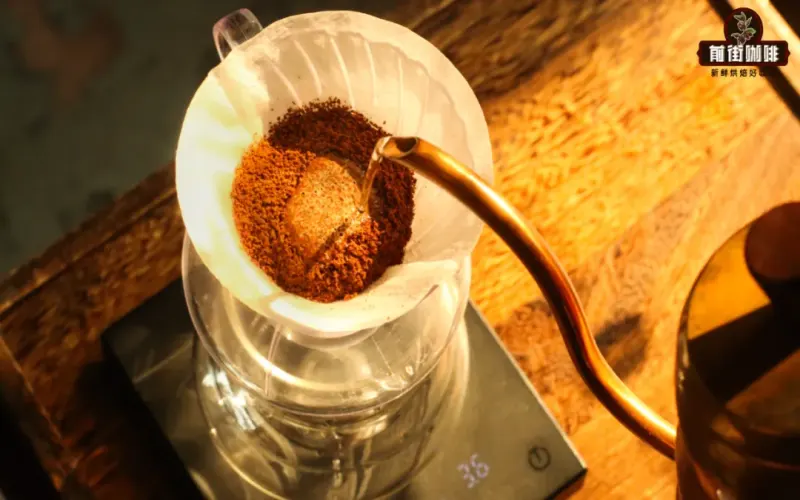
An Analysis of Flavor Differences Between Hot and Iced Pour-Over Coffee: A Professional Tasting Comparison from Temperature to Brewing Parameters
When buying coffee beans at a coffee shop or a Front Street location, many coffee enthusiasts ask the same question: for single-origin pour-over coffee, is it better hot or iced? Why is the flavor of hot pour-over coffee often more intense and prominent than iced pour-over? This article will start from the effects of coffee temperature on taste bud perception and aroma volatilization, deeply analyze why hot drinks make it easier to taste flavor, and at the same time explain the special adjustments in brewing parameters for iced pour-over—how operations such as reducing the amount of water, increasing the ratio of grounds to ice, and grinding finer affect the final flavor performance. The article also takes Front Street Ethiopia Huakui as an example, separately presenting a comparison of tasting results between hot brewing and iced brewing, to help readers fully understand the respective flavor characteristics and suitable scenarios of the two brewing methods. [more…]
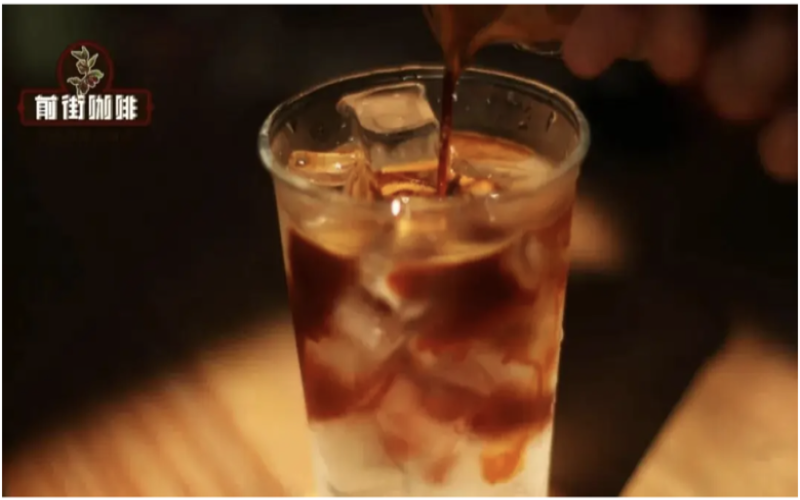
Origin Selection for Cold Brew: Flavor Changes Under Low-Temperature Extraction
The charm of cold brew lies in how low-temperature slow extraction reshapes flavor—the same beans can taste completely different when hot-brewed versus cold-brewed. Understanding how beans from different origins change under low-temperature extraction gives you a deeper basis for choosing beans for cold brew. Light-roasted beans from African origins show the most noticeable changes in cold brew. Beans with bright acidity when hot-brewed, in cold brew [more…]
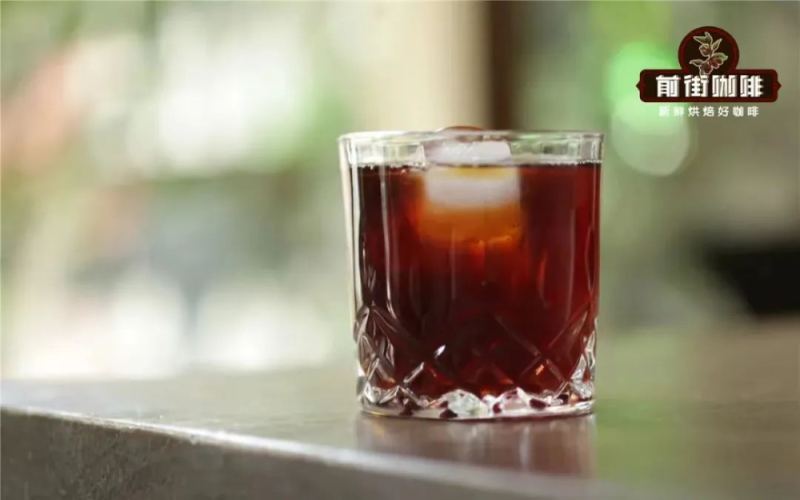
A Complete Analysis of the Flavor Differences Between Cold Brew and Hot Coffee: From Historical Origins to a Guide to Bean Selection and Brewing
In the heat of midsummer, iced coffee becomes a favorite for many, with cold brew and ice drip frequently selling out. But how exactly does cold brew coffee differ in taste from hot coffee? This article, from the perspective of Front Street, traces the historical origins of cold brew coffee, compares its flavor characteristics with those of high-temperature extracted coffee, and takes an in-depth look at selecting coffee beans suitable for making cold brew. Whether you prefer a refreshing floral and fruity profile or are fond of fermented, wine-like notes, you'll find a cold brew solution that suits you here. [more…]
How Are Tea-Bag Coffee and Drip Coffee Different? Testing the True Flavor of Filter-Bag Brewing from Hot Brew to Cold Brew
When the weather heats up, everyone's demand for a pick-me-up coffee rises along with it, and a number of new questions have been popping up in the backend. A reader asked Front Street Coffee: can coffee be brewed directly like a teabag? She felt that drip bags require pouring water in stages and controlling the water volume, which isn't convenient enough. This question actually brings up the fundamental difference in extraction principles between two common convenient coffee formats—steeped bags and drip bags. This time, Front Street Coffee used the same batch of beans to conduct a comparison between hot brewing and cold brewing, testing everything from grind size and coffee-to-water ratio to steeping time, in an attempt to figure out whether coffee brewed in filter bags actually tastes good, and which one is more suitable for which scenarios. [more…]
Cold brew, ice drip, hot coffee, and iced coffee—how exactly do you tell them apart? One article explains the extraction principles and flavor differences clearly.
Friends who are new to coffee are often confused by the terms on the menu: espresso, pour-over, cold brew, ice drip—what exactly is the difference between them? This article starts from four angles—brewing method, extraction temperature, time, and flavor performance—to systematically sort out the differences between hot coffee, iced coffee, ice drip coffee, and cold brew coffee. The article will also explain the historical origins of cold brew and ice drip, the relationship between water temperature and extraction time, and the differences between the two in taste layers. Combined with Front Street Coffee's bean list, it gives bean selection suggestions for two flavor profiles, fruity and sweet/mellow, to help you make the cup that suits your taste at home. [more…]
Hand Brew vs. Cold Brew: How Extraction Temperature Affects Flavor and Bean Selection
Why do the flavors of the same coffee beans differ so dramatically when brewed as pour-over versus cold brew? From the perspective of Front Street, this article systematically sorts out the core differences between high-temperature pour-over and low-temperature cold brew in terms of extraction principles, flavor expression, and suitable bean types. The article covers a comparative tasting of three methods—hot pour-over, iced pour-over, and cold brew—analyzes the effect of water temperature on the dissolution sequence of acids, sweetness, bitterness, and other substances in coffee, and provides recommendations for coffee beans suited to both brewing methods, including specific Front Street products such as Guodingding, Huahudie, Strawberry Candy, and Huakui, helping coffee enthusiasts easily make their ideal cup at home. [more…]
Origin of Cold Brew Coffee | What's Special About Cold Brew Coffee's Flavor and Mouthfeel? Is Cold Brew Coffee Tastier Than Hot Coffee? Is There a Big Difference Between Cold Brew Coffee and Iced Pour-Over Coffee?
For more specialty coffee knowledge, please follow: Front Street Coffee (Frontsteet Coffee). Iced coffee has a refreshing and palate-cleansing taste. Even in the dead of winter, some customers come to Front Street to order this iced coffee. Because iced coffee and hot coffee are extracted using different principles, the flavor of the coffee will also be different. [more…]
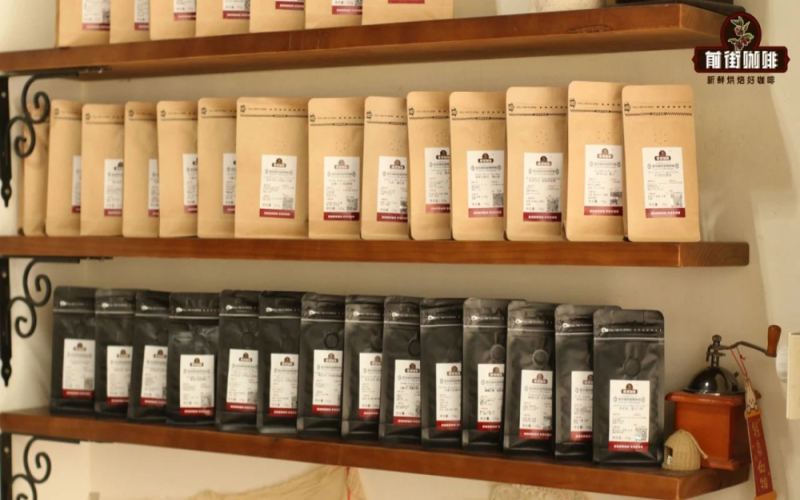
What Are the Flavor Differences Between Cold Brew and Pour-Over? Cold Extraction Has Higher Caffeine—Front Street Coffee Teaches You How to Choose Beans
Why do the same coffee beans taste so completely different when made as cold brew versus pour-over? The key lies in the extraction temperature. Pour-over uses hot water to quickly release the coffee's rich aromas and layers, while cold brew relies on a long, low-temperature steep, delivering a sweet, crisp, and refreshing taste—though with slightly less fullness of flavor. Low-temperature extraction also reduces bitter compounds, but it also results in a higher caffeine content. Using Front Street Coffee's light-roast washed Yirgacheffe Geddid as an example, we compare hot pour-over, cold brew, and iced pour-over to analyze why the flavors differ, and offer coffee bean recommendations suitable for home cold brew and pour-over. [more…]

The Origin Story of Cold Brew Coffee | What Makes Cold Brew Coffee's Flavor Unique? How Does Cold Brew Coffee Differ from Pour-Over Hot Coffee in Taste and Mouthfeel?
For more specialty coffee knowledge, please follow: Front Street Coffee (Frontsteet Coffee). Iced coffee has a refreshing and palate-cleansing taste; even in the dead of winter, some customers come to Front Street to order this kind of iced coffee. Because iced coffee and hot coffee differ in extraction principles, the flavor of the coffee also differs. [more…]
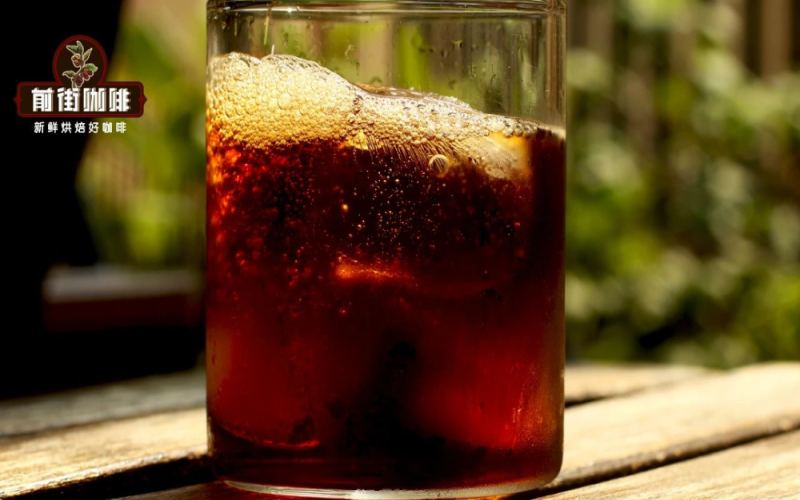
Why Is Cold Brew Coffee So Popular? A Full Analysis from Flavor Characteristics to Front Street Coffee's Bean Lineup and Brewing Methods
Cold brew coffee has gained increasing favor among coffee enthusiasts in recent years, not only because of its comfortable drinking temperature, but also for its smooth, full-bodied taste and its more delicate expression of coffee bean aromas. Unlike hot water extraction, cold brew uses cold or room-temperature water to soak coffee grounds, then refrigerates for 8 to 12 hours to complete extraction. The low-temperature environment reduces the release of acidic substances, making cold brew noticeably less sour and astringent than hot brew, while extracting only small-molecule flavors such as fruity acidity and floral notes, resulting in a cleaner, fuller taste. This article will explore the flavor principles of cold brew, recommend three single-origin beans from Front Street suitable for cold brew, detail the specific brewing steps, and discuss cold brew's advantages in caffeine content, mild acidity, and ease of preparation, giving you a comprehensive understanding of this slowly extracted cold coffee. [more…]
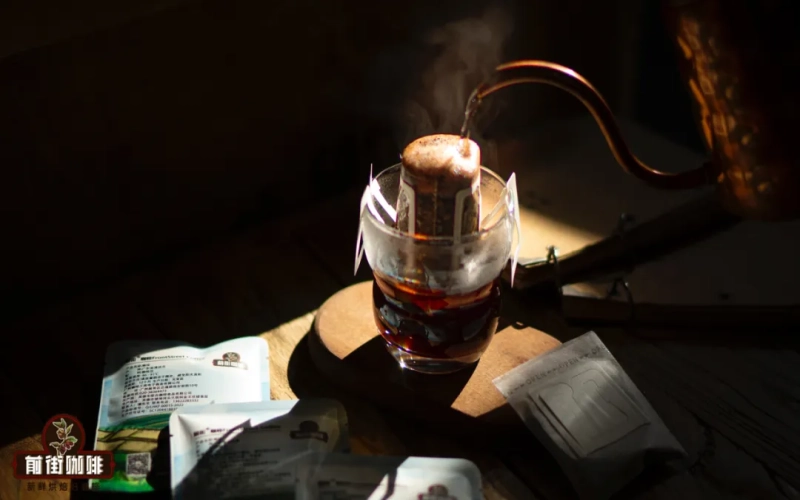
Can Drip Bag Coffee Make a Hot Latte? Analysis of Cold Brew vs. Milk Brew Differences and a Detailed Guide to Various Brewing Methods for Huakui Drip Bag Coffee
Drip bags have become a daily choice for many coffee lovers thanks to their portability and ease of use. Although the aroma of pre-ground coffee cannot match that of freshly ground, as long as you master the right brewing method, it can still deliver a satisfying flavor. Beyond the conventional drip method, drip bags can also be used to create entirely different taste experiences through immersion, cold brew, and other techniques—even to make an espresso base that can be mixed with milk to create a rich, smooth milk coffee. In this article, Front Street will focus on sharing various ways to "cook" drip bag coffee, and using Huakui and Golden Mandheling drip bags as examples, will break down in detail the specific parameters and steps for drip filtration, immersion, cold brew, and milk coffee, helping everyone easily enjoy a good cup of coffee even without professional equipment. [more…]